Overcoming Global Challenges:

How Horses Teach Us About Co-operation and Trust
The challenges of recent times have led to people becoming more divided, fractured, disconnected. This is evident in all aspects of our lives – from our day-to-day interactions through to the global political landscape.
Born to co-operate not compete
Yet, according to a recent article in Nature Human Behaviour, humans are a social species and co-operation rather than competition lies at the heart of our lives and social structures. The researchers cite examples of hunter-gatherer societies sharing out meat as a way of strengthening reciprocal bonds and distributing the burden of future scarcity. This culture of trust in collective action and the sharing of risk is noticeable absent in much of human society today.
Communication is key
The article points to a lack of communication as being one of the primary barriers to co-operation. It quotes a study by Fotouhi et al. which indicates that promoting even the most limited interconnections between societies that were previously segregated can support global cooperation. Maybe that explains the popularity of the Heineken Worlds Apart advertisement which created the conditions for people with opposing views to talk together over a beer. While many of the conflicts in our world can seem insurmountable (between nations, political, religious and ethnic groups and people with different belief systems), research indicates that learning to communicate more effectively is the key to building greater co-operation.
The transformative power of horses
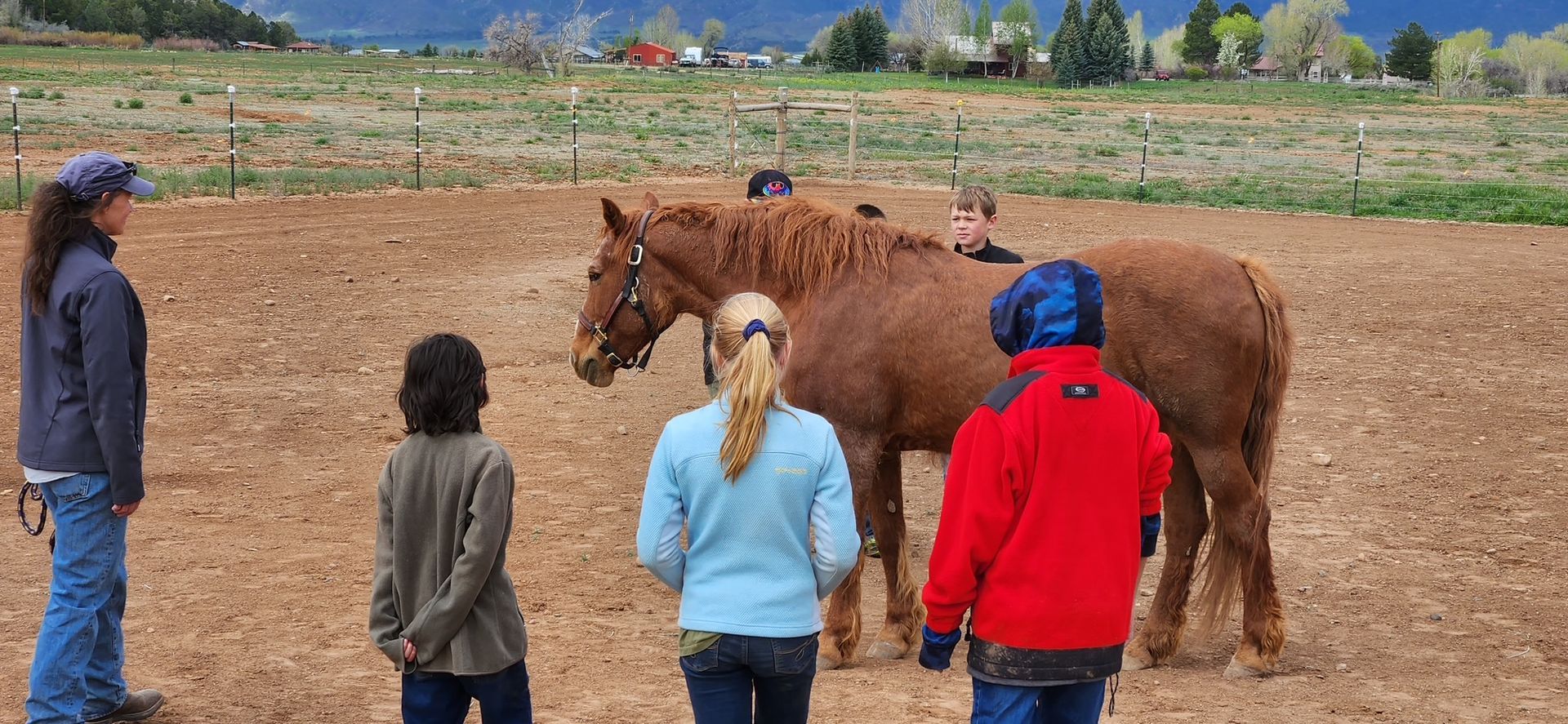
It may not be immediately apparent to many people that horses can assist in this process of co-operation, communication and shared purpose, but as therapists and equine-assisted learning facilitators, we know better. Within organizations, horses offer feedback about leadership – specifically, what it takes to be a good leader. A herd is run as a matriarchy, with the traditionally ‘female’ quality of care taking precedence over domination and control. Horses know how to set boundaries and they respond to authenticity. While it may be possible to bamboozle people in the boardroom, the arena is an entirely different space and horses will move away from anyone who is not completely aligned with their core values.
Non-verbal communication
As humans, we tend to regard ‘communication’ as being what we say, but in reality this only makes up a small fraction of our communication. The numbers vary – and we need to be careful not to oversimplify, as this article in Psychology Today warns – but typically we might regard around 55% of communication as body language, 38% as tone of voice and only around 7% as the words we speak. Horses are a great mirror, reflecting our non-verbal communications back to us. They show us the impact we are having when we walk into a space, irrespective of what we might say or how we might try to appear.
Healing division in a fractured world
Our forthcoming conference – The Next Frontier – will explore, from many different perspectives, the crucial role that horses can play in helping to heal divisions in our fractured world.
From October 14-16, our speakers will share their passion and insights and, in their different ways, each one will offer delegates a greater understanding of themselves, their horses and their clients. We have selected topics that are underpinned by research and evidence-based studies and that bring together the latest understanding about neuroscience, and human health and wellbeing, as well as horse welfare. Delegates can attend in person at our Arizona ranch or online, allowing facilitators from all over the world to participate.
Keynote speakers
Among this year’s keynote speakers are:
Jackie Stevenson, whose presentation ‘Entering the Culture of Horse and Herd as Humble Guests’ discusses how we can enter the herd in a respectful and trustworthy way and the benefits of co-creating a human-horse partnership.
Patty Beach and Lissa Pohl, whose Alignment Model will show how a new approach to organizational development can be incorporated into EAL workshops with corporate groups and individuals.
Stuart Morse, who will explore growth opportunities for the future of the E3A community and identify actions to foster a community of collective leadership and strategic stewardship.
Lissa Pohl, who co-authored a paper in 2020 describing the various types of Equine-assisted Services, will close this year’s conference by talking about the future of EAL.
For more information about these and other talks at the E3A 2021 conference and to book your place in person or virtually, visit: https://e3assoc.org/conference-2021/
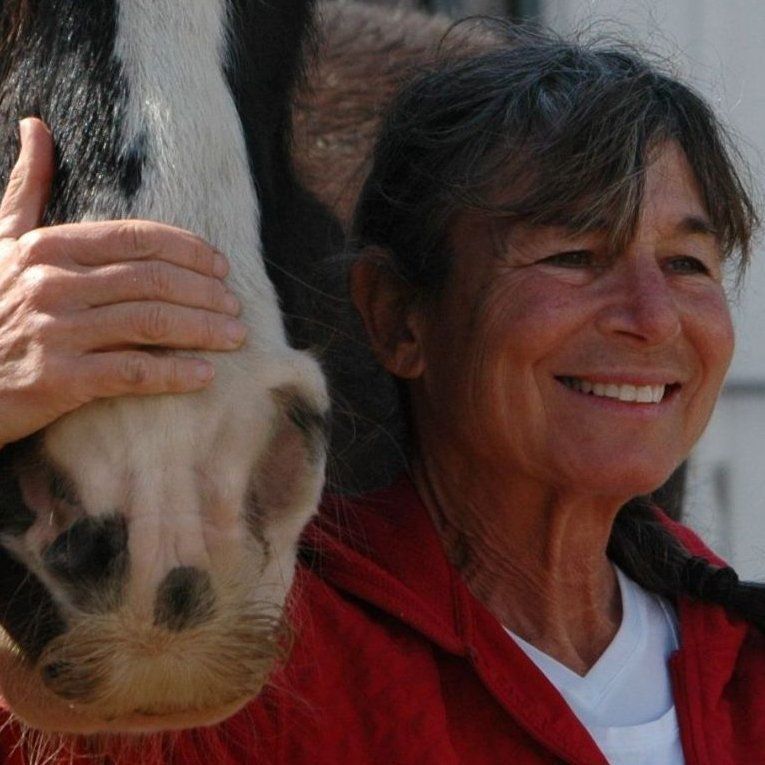
Jackie Stevenson, whose presentation ‘Entering the Culture of Horse and Herd as Humble Guests’ discusses how we can enter the herd in a respectful and trustworthy way and the benefits of co-creating a human-horse partnership.
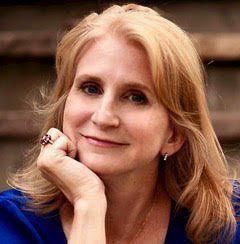
Patty Beach and Lissa Pohl, whose Alignment Model will show how a new approach to organizational development can be incorporated into EAL workshops with corporate groups and individuals.
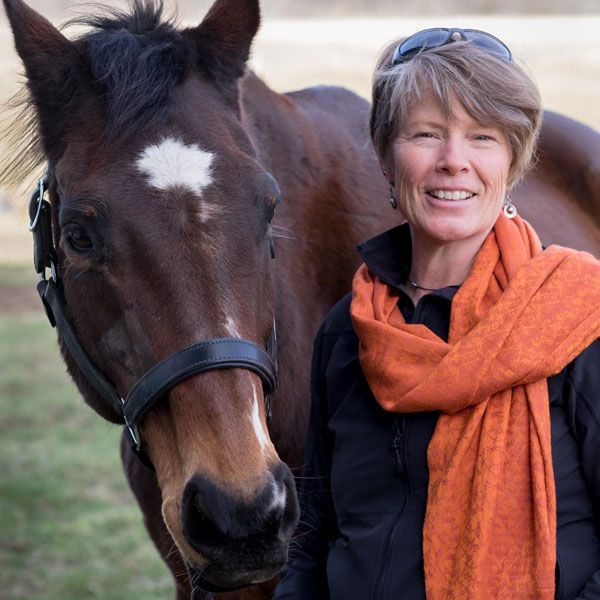

Stuart Morse, who will explore growth opportunities for the future of the E3A community and identify actions to foster a community of collective leadership and strategic stewardship.
Lissa Pohl, who co-authored a paper in 2020 describing the various types of Equine-assisted Services, will close this year’s conference by talking about the future of EAL.