Why Horses Are Superior in Helping Leaders Grow and Develop Themselves and their Organizations
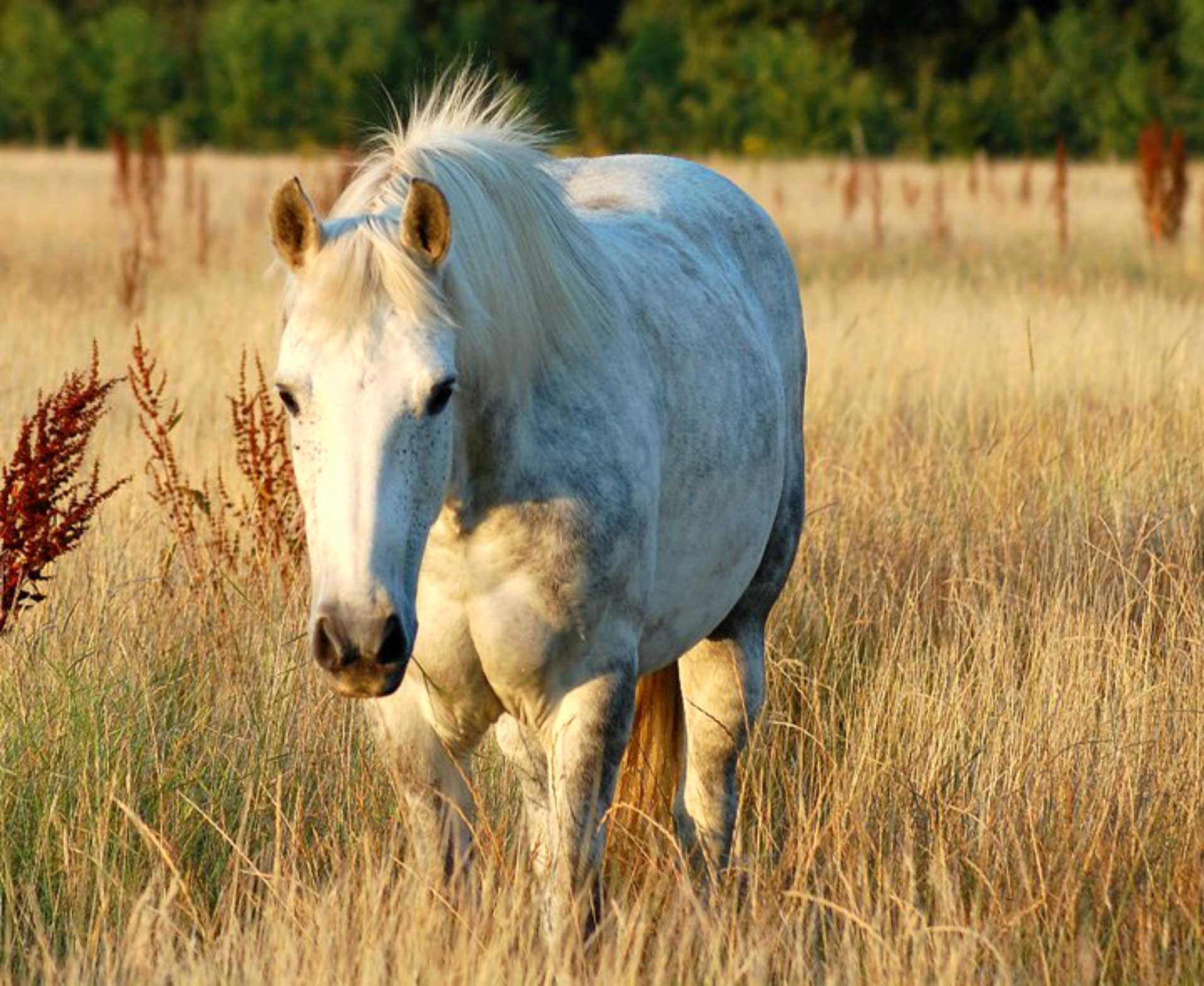
White Horse — Reno, NV — E3A Equine Experiential

Have you ever sat down after a long day of leadership training and wondered what exactly you did or spent all your money and time on? You aren’t the only one — especially if the training isn’t out-of-the-box enough. Contrary to popular belief, more than 90% of human communication is non-verbal, which explains why many of us find it challenging to retain the information we learn when traditional teaching methods are employed.

Enter equine assisted learning, where leaders learn by sitting, listening and actually doing as well. Let’s take a closer look at how and why horses benefit leaders looking to improve themselves and their organizations and why EAL is head and shoulders above other experiential training methods.

  • Emotional Intelligence – One advantage of utilizing horses in leadership training is that they react instantly and without judgment to human emotional states, allowing us to develop our sense of emotional intelligence. Horses reflect emotions, body language, and sensations back to the human, helping participants become aware of the effects of their emotional and physical presence and what would happen if they changed how they acted because the horse would do the same.
  • Responsibility – Horses also help people learn self-management, or the ability to control their emotions. For instance, there is a severe danger of unfavorable outcomes for the horse and the handler if impatience and rage are expressed while managing a horse. Evidence has shown that people become more willing to accept responsibility and gain the ability to act when they are among horses and in a stable setting.
  • Awareness – There is no better way to develop a sense of awareness for yourself and others as a leader than through the hands-on training that equine assisted learning provides. Just think — these are massive animals that don’t have to follow a anyone’s lead, especially if they don’t want to. That is why leaders must become aware of everything about the horses and themselves. From how they hold themselves to how they handle a situation, EAL allows a leader to hone their sense of awareness through practical means you can’t find anywhere else.
  • Non-verbal Communication – If horses are great at one thing, it’s non-verbal communication, helping those who work with them and training them to learn it. Leadership development programs with horses help people read others and situations and understand non-verbal signals. This non-verbal communication is critical to bolstering several aspects that improve day-to-day work at the office, such as responsibility, assertiveness, work ethics, relationship building, and more.

With EAL, each of these skills has to be learned, trained, reinforced, and repeated repeatedly, building confidence in both the horse and the leader who is learning from them. Very few other experiential training methods can even come close to this level of in-depth communication or repetition of critical leadership skills.

Remember, horses are looking for their leader, and thus, the best way to develop our leadership skills is to become precisely what they are looking for. Visit our website today for more information on EAL and how we can help unbridle your consulting or coaching practice in adding horses to your toolbox. Join us in learning more about this powerful method for creating true leaders at our May Arena Chat that is coming up soon.
December 26, 2025
When Lisa Bowman first experienced the healing power of horses, she knew her life was about to change. What she didn’t realize at the time was just how many other lives those horses would go on to touch through her work. Lisa launched Hope for Hearts Farm in 2013 with a vision to help people grow, heal, and transform through connection with horses. “I personally experienced the healing power of horses and felt led to share that with others,” she says. “Going through E3A’s certification gave me the confidence and tools to assist clients to greater levels of transformation.” She became an E3A Level 1 Certified Practitioner in 2018, followed by Advanced Level 2 certification in Corporate Facilitation in 2021. Empowering Change Through Connection At Hope for Hearts Farm, Lisa offers two main programs: Personal Development and Well-Being for adults and children (ages 8 and up), and Corporate and Leadership Development, including team-building and executive coaching. Her ideal clients are those willing to embrace the feedback the horses provide and dig deep into their own thoughts, feelings, and belief patterns. “Of course, I also love when someone comes in very skeptical of the process and is blown away by the power of the horse/human relationship and the incredible insights they gain from the horses.” Lisa says. Moments That Matter Lisa’s years as a facilitator are filled with powerful moments of breakthrough and transformation—so many, she says, it’s impossible to choose just one favorite. “Seeing the changes in teams and individuals is incredibly rewarding,” she shares. “There’s nothing like hearing someone say, ‘I keep thinking I’ve got it, but every session with the horses knocks my socks off!’ Or a parent telling me that the experience didn’t just help their child, but their whole family—and that it’s leading to generational change.” She’s also witnessed the impact in the corporate world: “When a team tells us after a workshop that they’ll be forever changed, it reinforces just how effective this work really is.” Lessons from the Arena Looking back on her E3A certification journey, Lisa especially treasures her arena training—now known as the Capstone. “Hands-on experience with the horses, activities, fellow facilitators, and Master Trainers was invaluable,” she says. “It was there I learned to truly be open to outcome and trust the process—something that didn’t come naturally for my Type A personality!” That lesson continues to shape her facilitation style today. “It never ceases to amaze me how the horses show up exactly how each person or team needs,” she says. “When we trust our equine partners and stay open, the experience becomes even more impactful.” Through her partnership with E3A and her herd at Hope for Hearts Farm, Lisa Bowman continues to help people connect, reflect, and grow—one transformative session at a time.
October 21, 2025
For Stacy Gendels, becoming E3A certified in March 2020 marked the beginning of an exciting new chapter—one that arrived just as the world was shutting down.
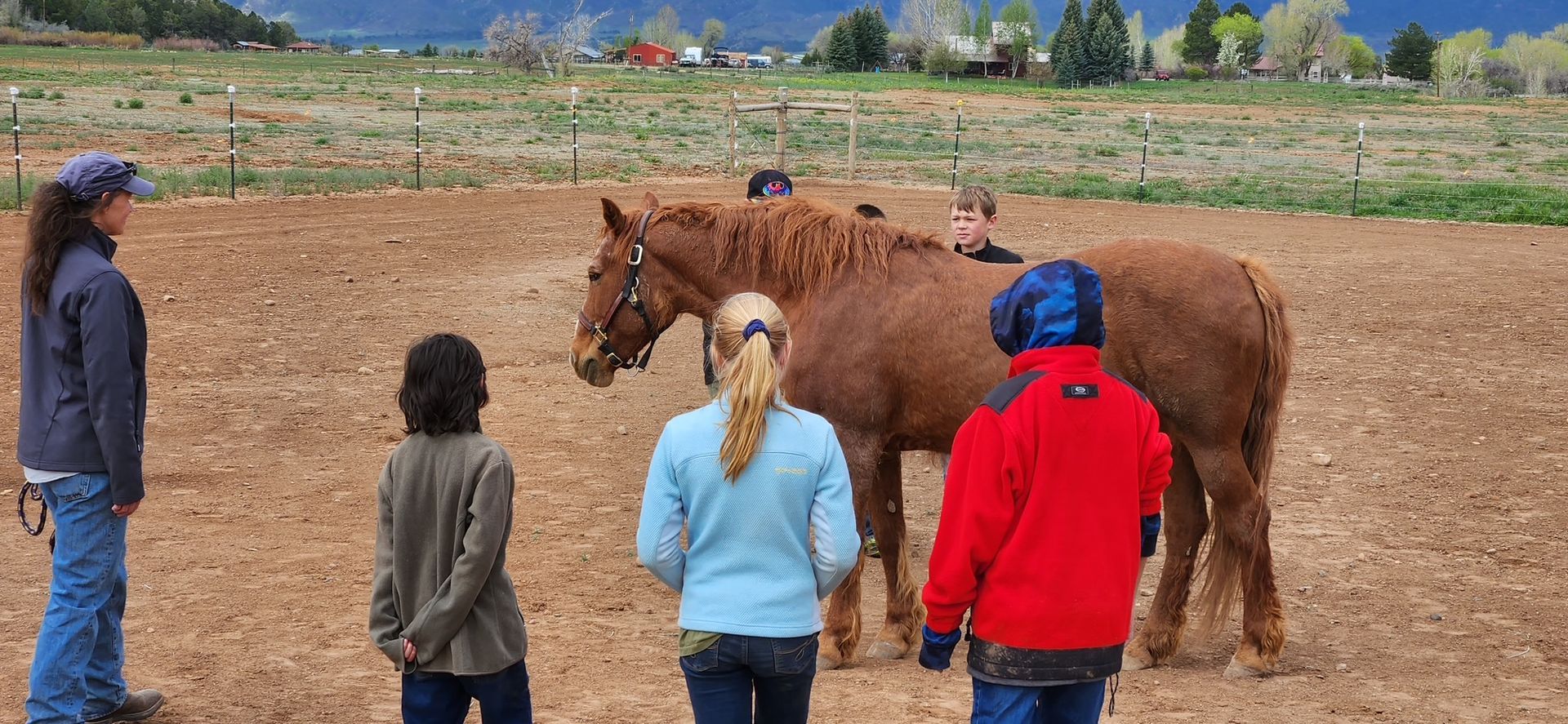
A facilitator and group of participants stand with a brown horse.
September 2, 2025
After three decades as a K-12 school counselor, Karen Finch was ready for retirement—or so she thought. Just one day later, life presented her with an unexpected opportunity. A local equine-assisted learning facility called to ask if she would consider becoming their therapist. Despite having no prior experience with h
MORE POSTS